Heb@AR featured by DINItus Podcast

On February 20th Prof. Dr. Thies Pfeiffer was interviewed by Volker Mattick from the Deutsche Initiative fĂĽr Netzwerkinformation e.V. (dini) in their DINItus Podcast format. In the interview, Prof. Pfeiffer talks about the project Heb@AR, in which the group created an augmented reality training application for smartphones for midwifes. He reports on the challenges of […]

Read More

Our Mixality Heb@AR App wins two national VR/AR Awards

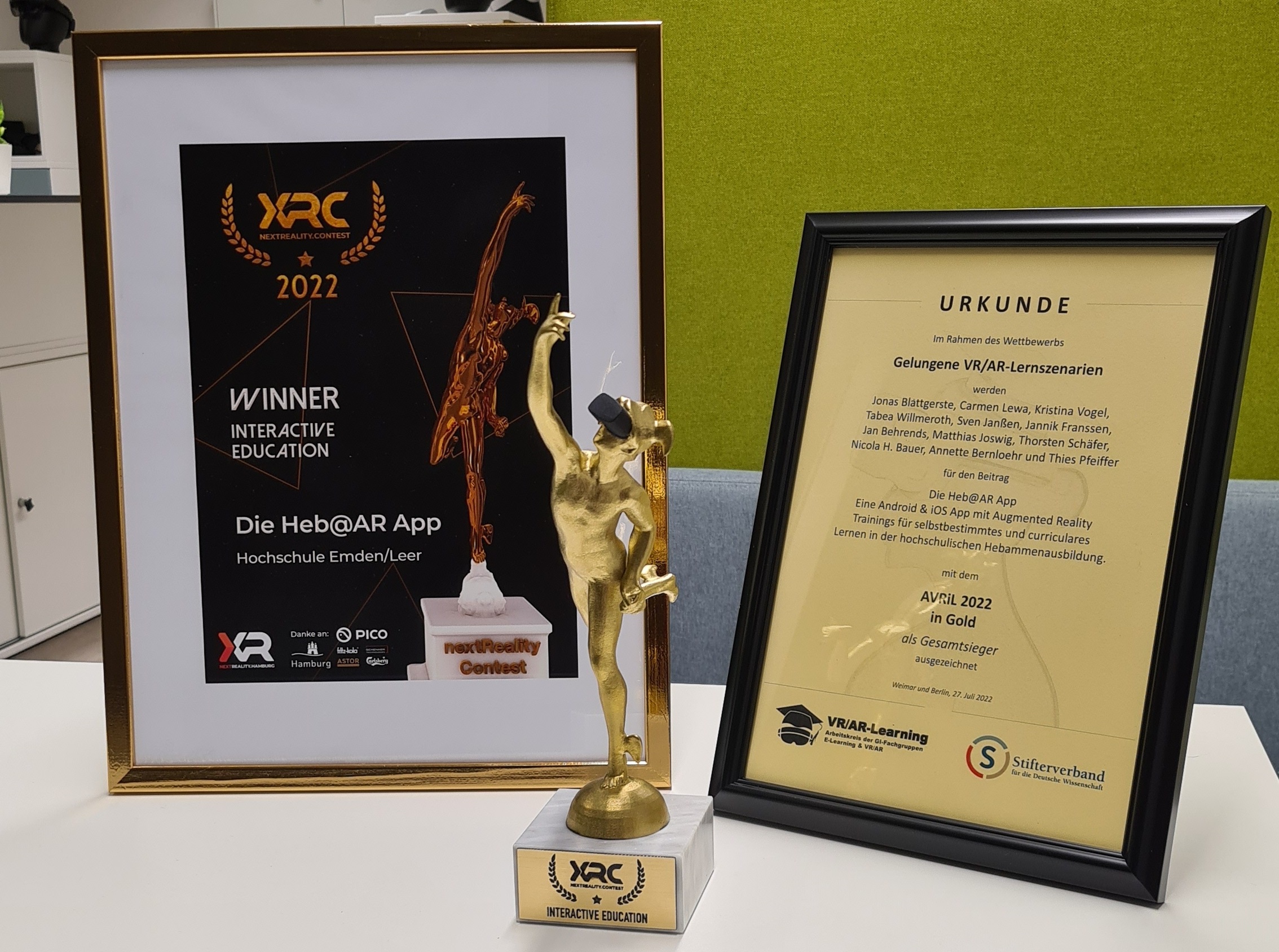
Our Mixality team, surrounding Prof. Dr. Thies Pfeiffer and Jonas Blattgerste, is proud to announce that our “Heb@AR” app has been recognized at the nextReality.Contest in Hamburg, where it won the “Interactive Education” Award. The app aims to support the training of academic midwives through the use of practical Augmented Reality (AR) trainings. It was […]

Read More

Publication of the article in the journal “Medienpädagogik” about the pros and cons of learning in groups using VR- or video software

The use of full-immersive VR learning environments promotes the individual skills andprior knowledge of students. However, more specific effects on learning and concepts forintegration are not sufficiently studied yet. As part of a BMBF-funded research project, this article pursues the following question: What are the design and didactical as wellas communicative-interactive differences between full-immersive virtual […]

Read More

Learning wound treatment in full immersive Virtual Reality!

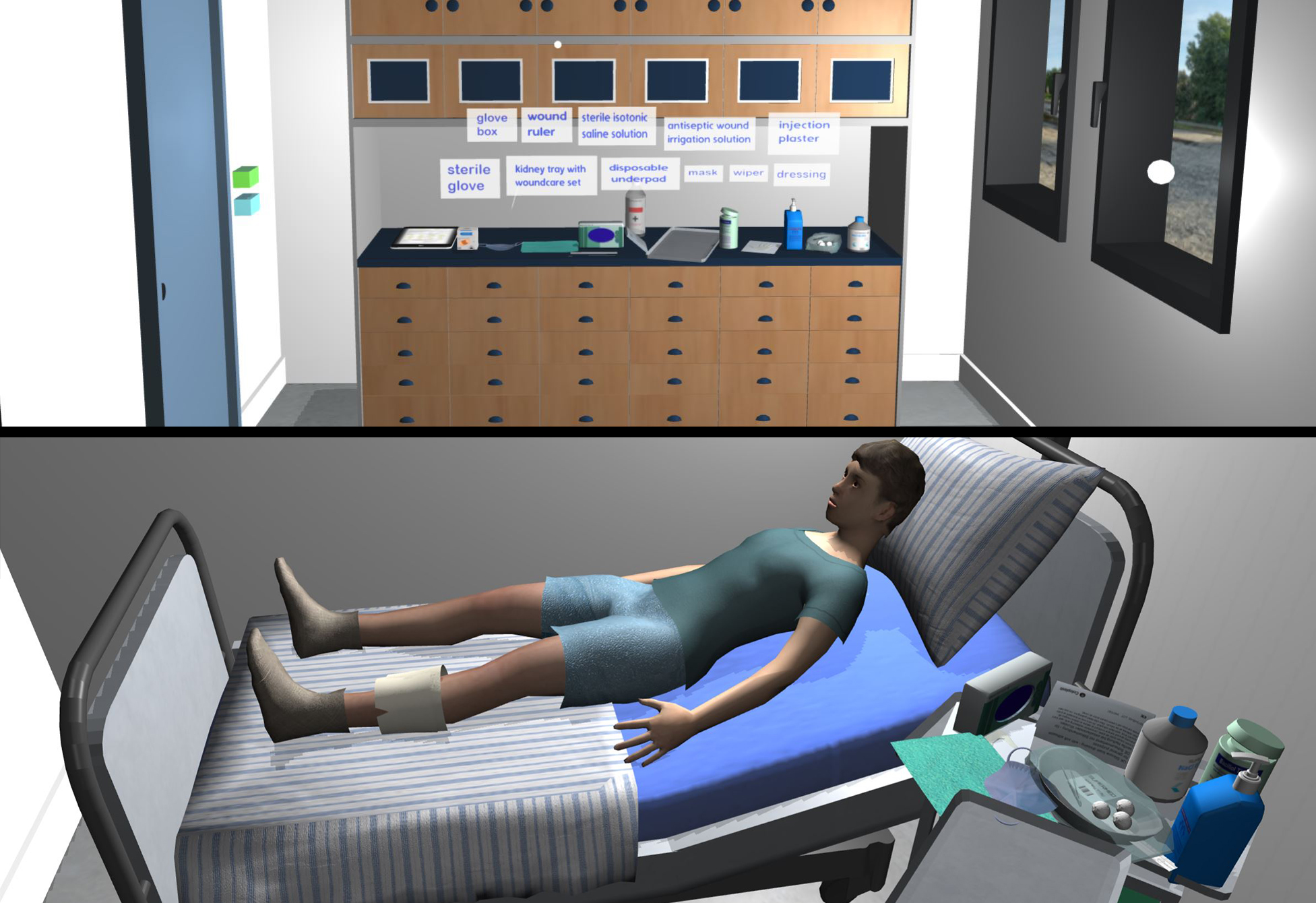
In medical and health care education, working on case studies is an important part of the training. In the research project “DiViFaG“, at the university of applied sciences Bielefeld digital interactive learning scenarios are developed that enable students to train practical skills necessary for their later profession in a virtual environment. The aim of the […]

Read More

Eye Movements in VR training at the AHFE’21 virtual conference

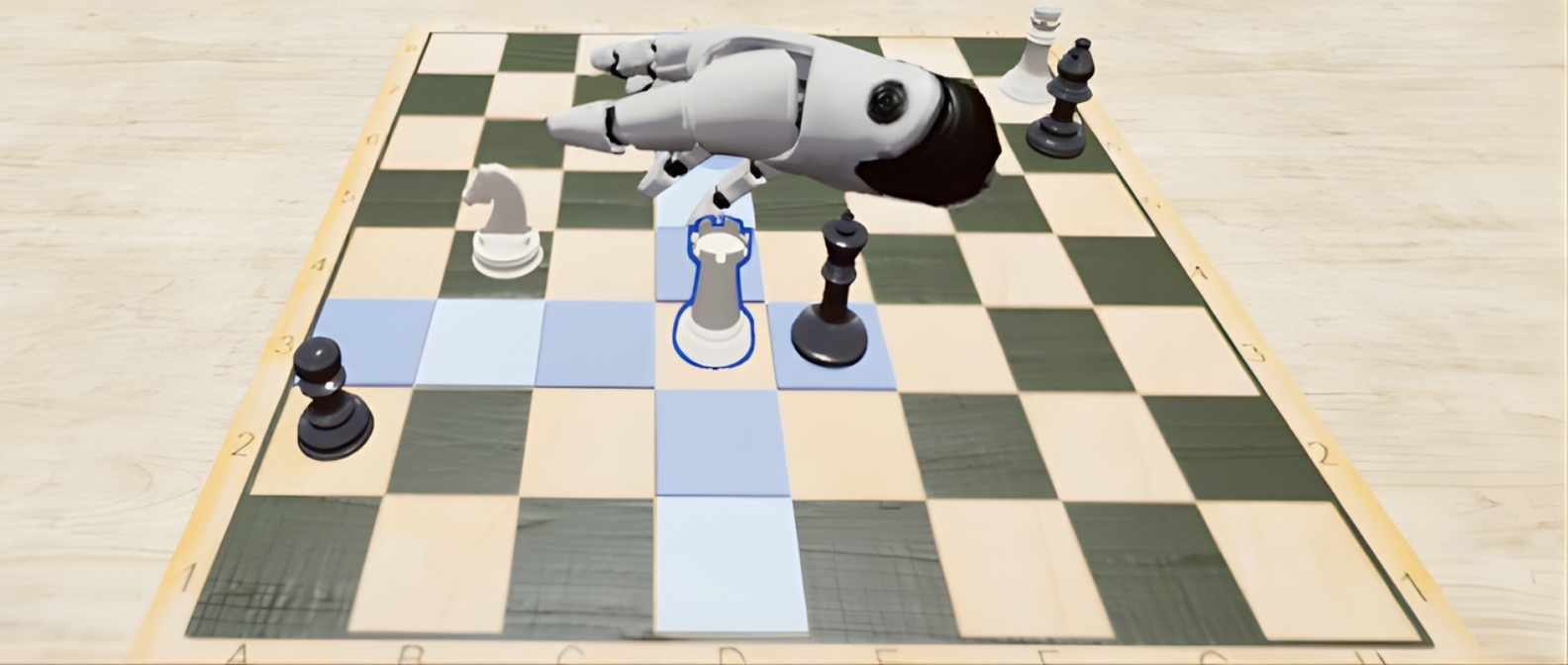
Analyzing eye movements allows revealing insights into cognitive activities taking place in someone’s mind. In training contexts, this information can be used to draw conclusions about the learner’s cognitive load or expertise regarding the current learning task. In our talk “Eye Movements in VR Training: Expertise Measurement and it’s Meaning for Adaptive Chess Training” we […]

Read More

Training with Virtual Reality and Augmented Reality – A talk at the virtual Pflegekongress 2020 in Vienna

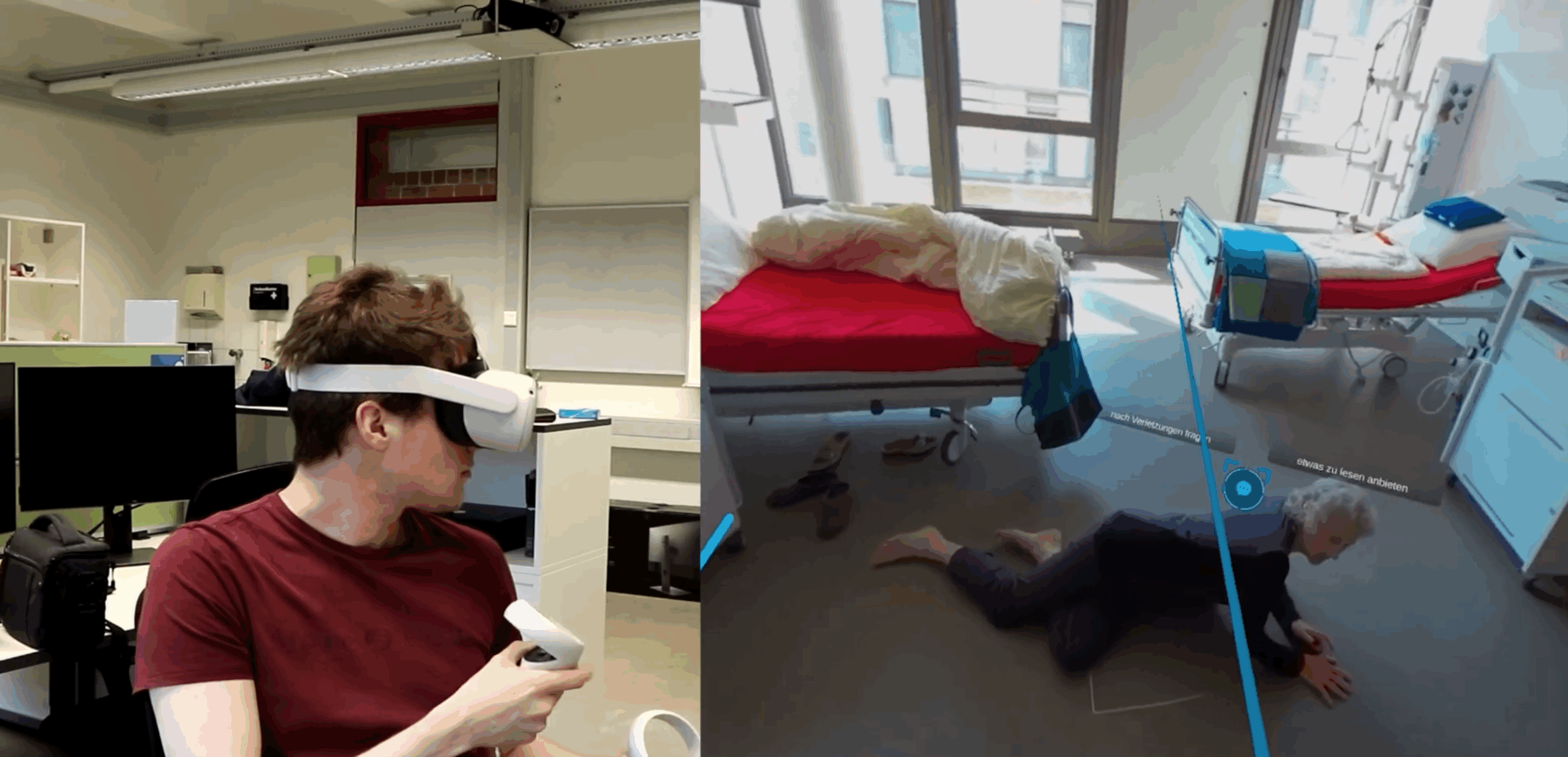
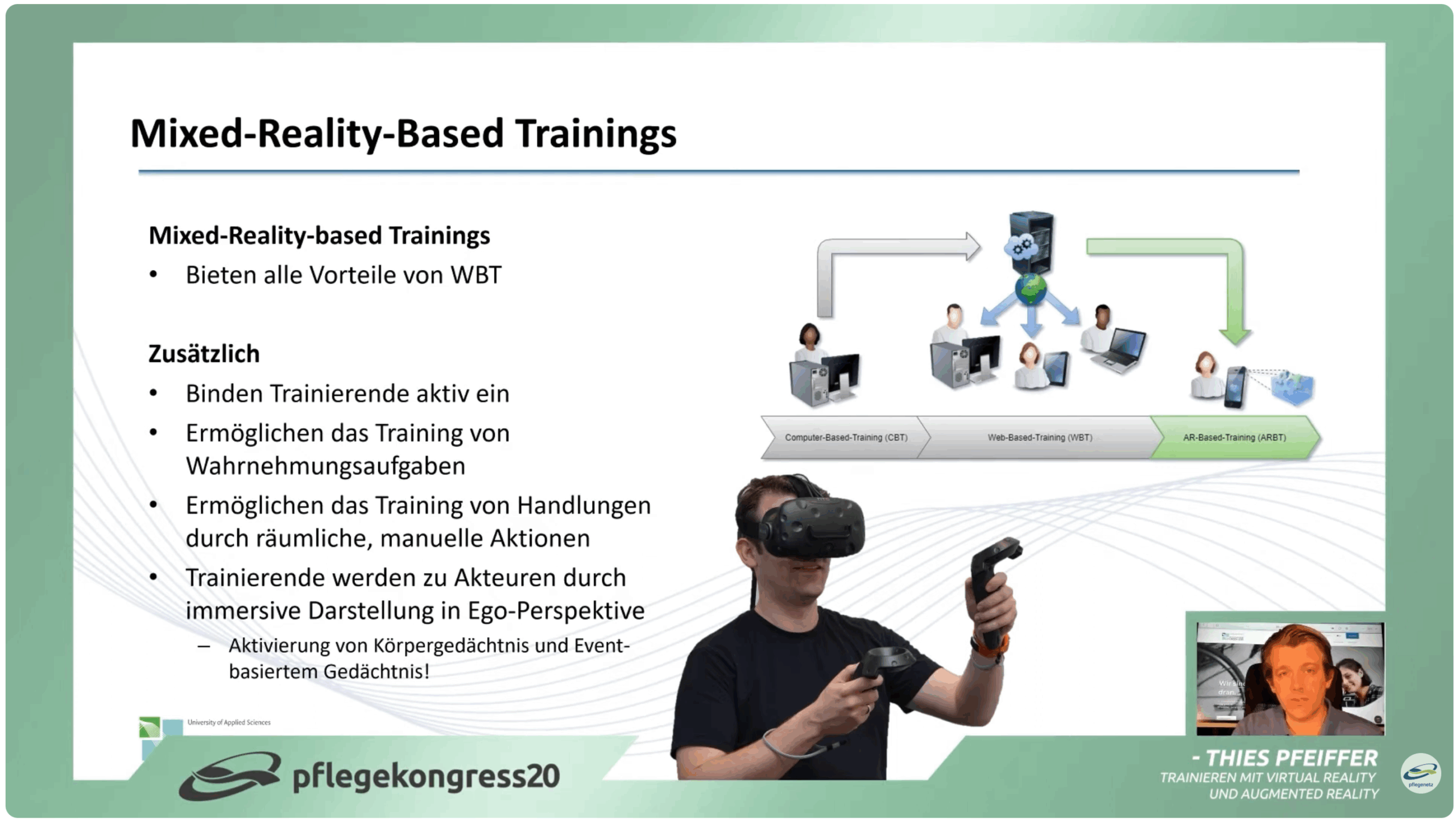
In November 2020 researchers and practitioners in nursing met for the Pflegekongress20 in Viena. Really, well, due to the COVID-19 pandemic the meeting was held only virtually. One of the benefits of this is that most talks have been recorded on video and are now available online, e.g. on the youtube channel of the pflegenetz. […]

Read More