How can digital teaching be improved? How can the ability to study, study success and, ultimately, employability be improved by a sustainable implementation of digital tools? These are just some questions that are driving the project Future Skills.Applied (short form: Futur.A) in the context of education at Universities of Applied Sciences Emden/Leer in Lower Saxony, Germany.
The project’s overarching focal point and eponymous “Future Skills” refer to interdisciplinary competencies (or “skills”) considered essential acting within a future landscape characterized by digitalization and other megatrends. Specifically, maintaining the ability to respond effectively within the professional and personal life environment and actively contribute to its future development.
This necessitates innovation in both the study and teaching methodologies at two distinct levels: Development and supplementation of universities’ teaching and learning formats in terms of didactics and methodology.
Both levels are addressed within the Future Skills.Appliedproject initiative and — as institutions of applied sciences — the project activities’ are pursued with a strong practice-oriented approach.
Furthermore, within the project’s context, a consortium of Universities of Applied Sciences of Lower Saxony in Germany was formed.
Thus, within multiple subprojects, the different partners contribute towards the project’s aim of further developing studies and teaching within the context of changing societal and professional environmental variables.
Networking of Teaching and Learning Locations
Withing one supporting column of the project, the Subproject 3: Networking of Teaching and Learning Locations, the different partners develop and evaluate alternative, complementary approaches regarding connecting university and home learning environments, as well as optimizing studies’ practical orientation.
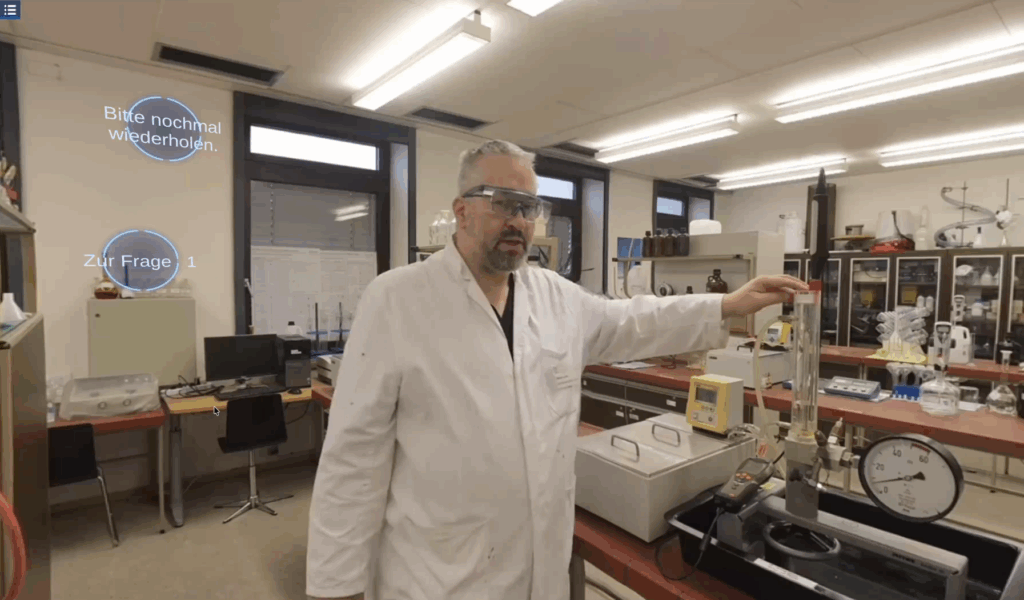
One aspect of the subproject 3 explores the Digitalisation and Hybridisation of STEM practical laboratory courses that are typically held in dedicated laboratories within a university’s facility. In particular, during the COVID-19 pandemic, physical presence in the laboratories was not possible, emphasizing the need for alternatives to the training in situ.
A central motif for the development of a digital laboratory is to enable students to first acquire knowledge of the basic functions of laboratory setups through self-study, and subsequently build on that knowledge in in-person laboratories.
Immersive Digital Practical Laboratories
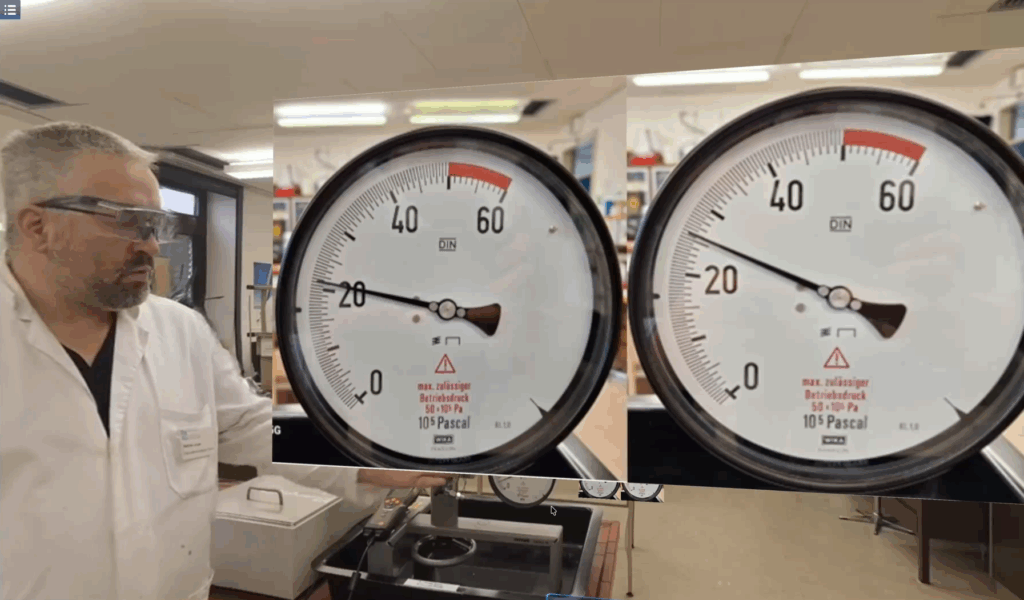
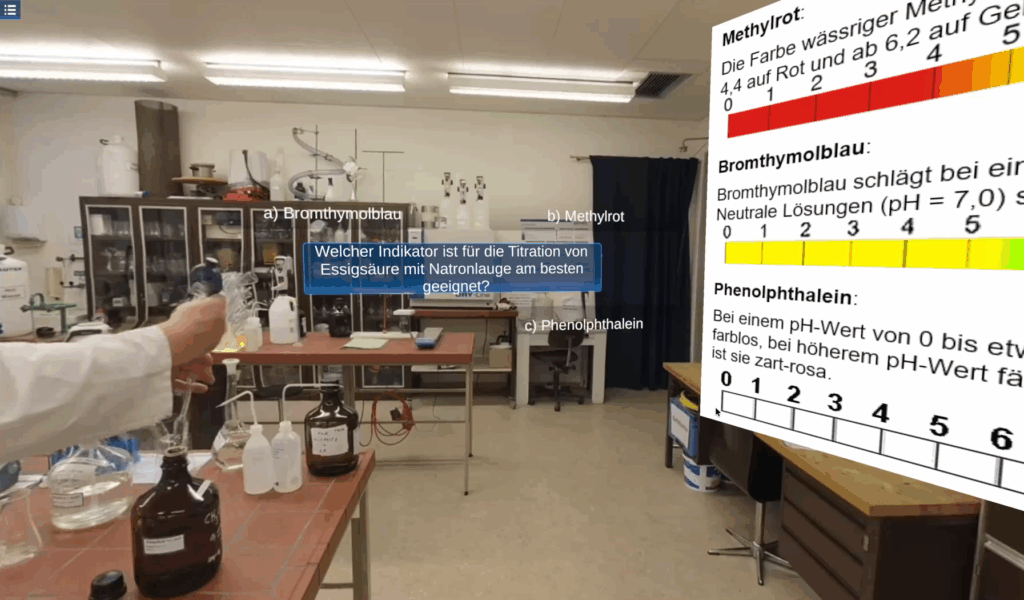
The Mixality Lab at the University of Applied Sciences Emden/Leer contributes towards subproject 3 and the development of digital laboratories through the conceptualization and implementation of Immersive Digital Practical Laboratories (Immersive Digitale Praktika, short form: IDP).
The implementation encompassed digital laboratories through Virtual Reality and Gamification.
Future Skills.Applied
Further information about the Future Skills.Applied project and the Mixality Lab’s contribution within the project’s IDP subproject:
The consortium of the Future Skills.Applied project comprises the six Universities of Applied Sciences of Lower Saxony in Germany, with the common project aim of further developing studies and teaching within the context of changing societal and professional environmental variables.
Whithin the Immersive Digital Practica subproject, the Mixality Lab team is working together with the department of natural sciences / chemistry:
Prof. Dr. Martin Sohn
Isabelle Dittmar
Matthias Luczak
Funding
Future Skills.Applied is funded by Stiftung Innovation in der Hochschullehre, within the foundation’s federal-state funding program Hochschullehre durch Digitalisierung stärken.
Project duration: August 2021–July 2024 Extended until: December 2025